Buy erlebnispaedagogik.eu ?
We are moving the project
erlebnispaedagogik.eu .
Are you interested in purchasing the domain
erlebnispaedagogik.eu ?
domain@kv-gmbh.de · 0541-91531010
Buy erlebnispaedagogik.eu ?
What is epistemology?
Epistemology is the branch of philosophy that deals with the nature, scope, and limitations of knowledge. It seeks to understand how we acquire knowledge, what constitutes knowledge, and how we can justify our beliefs. Epistemology explores questions such as: What is the difference between belief and knowledge? How do we know what we know? What are the sources of knowledge? It also examines the relationship between knowledge, truth, and belief. Overall, epistemology is concerned with understanding the nature of knowledge and the processes by which we come to know things. **
What is Kant's epistemology?
Kant's epistemology is centered around the idea that our knowledge of the world is shaped by both our sensory experiences and our innate mental structures. He argued that our minds actively organize and interpret sensory input, rather than passively receiving information from the external world. Kant also introduced the concept of synthetic a priori knowledge, which refers to truths that are not derived from experience but are necessary for our understanding of the world. Overall, Kant's epistemology emphasizes the role of reason and the mind in shaping our knowledge and understanding of reality. **


Similar search terms for Epistemology
Top-Angebote
Products related to Epistemology:
-
Uplift Picks Kids Steering Wheel Toy Racing Simulation Adventure Learning Game Kids Steering Wheel Toy Racing Simulation Adventure Learning GameLet little drivers take the wheel with this exciting kids steering wheel toy designed for immersive pretend play. This engaging racing simulation toy for children brings lights, sounds, and interactive challenges together for a realistic driving...210,00 $*Shipping: 0,00 $Secure redirect to the provider
-
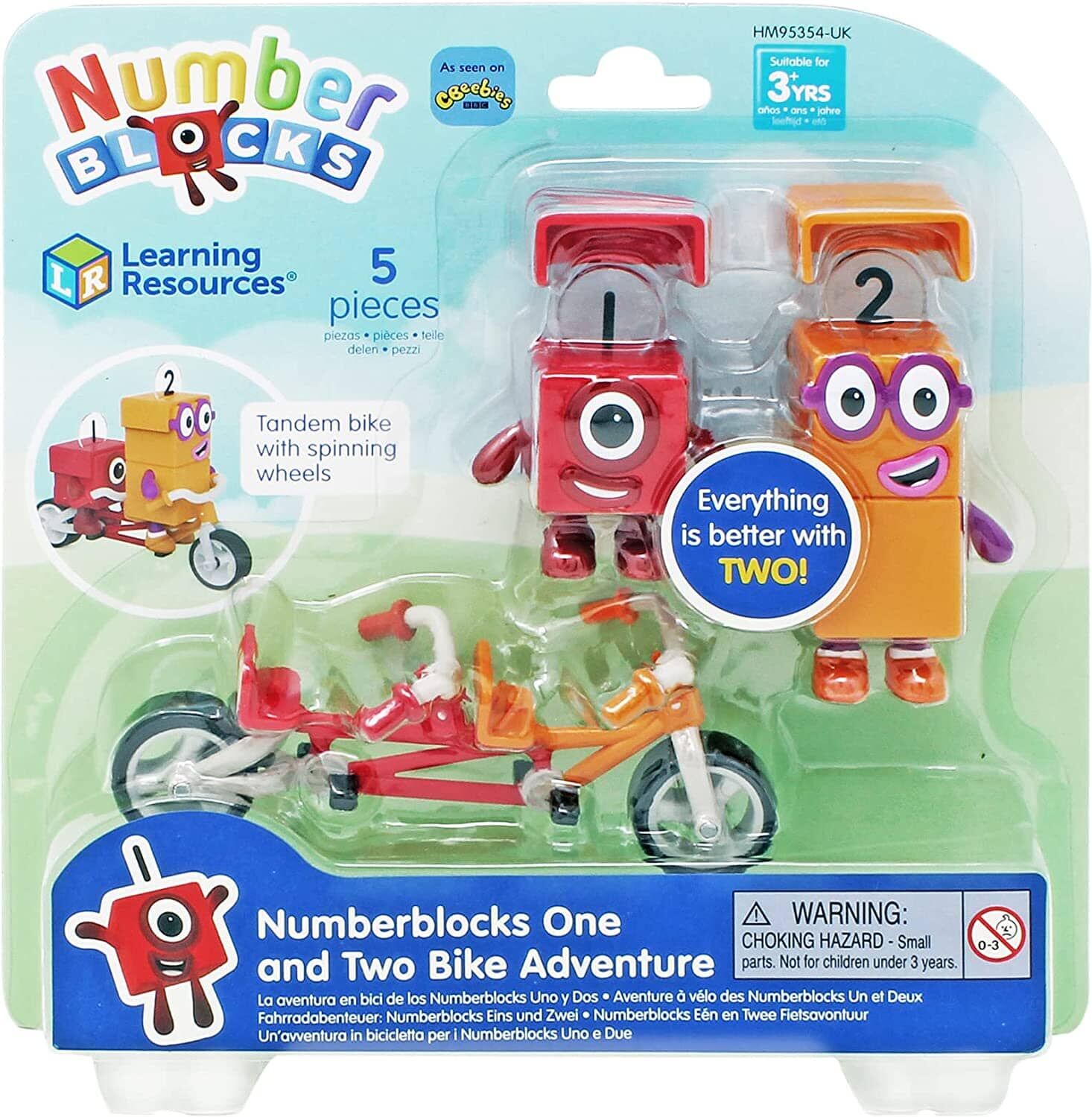
Learning Resources Numberblocks One and Two Bike Adventure for Ages 3+ - Bike Adventure SetJoin Numberblocks One and Two on a bike adventure! Inspired by the TV series, this set features moving arms and numbered helmets. Perfect for imaginative play and developing fine motor skills. Suitable for ages 3 and up.8,49 £*Shipping: 3,95 £Secure redirect to the provider
-
Numberblocks One and Two Bike Adventure by Learning Resources - Ages 3 years+ - Educational Toy Learning ResourcesNUMBERBLOCKS AS SEEN ON TV: The world of Numberblocks comes to life as children create their own Numberblocks adventures at home with Numberblocks One and Two collectible figures, based on the award-winning TV series. INCLUDES TANDEM BIKE & ACCESSORIES: One and Two have their own helmets which they wear as they ride together on their tandem bike on play-filled adventures in Numberland - because everything is better with two! POSABLE ARMS: Move their arms and play or stand them up on display – these fun friends are ready for imaginary play adventures in Numberland. MORE TO EXPLORE: There are even more official Numberblocks collectible figures from Learning Resources ready for children to create their own adventures in Numberland (sold separately). Collect them all! INCLUDES: Numberblocks One and Two with helmets, and tandem bike with turning wheels. (5 Pieces) One measures 5.5cm H.10,99 £*Shipping: 2,99 £Secure redirect to the provider
-
Learning Resources Stem Explorers Brainometry Game for Kids - Ages 5 and Above - Develops STEM Skills - Imaginative Play, Problem-Solving, TeamworkUnleash your child's creativity and critical thinking skills with the Learning Resources Stem Explorers Brainometry Game. This engaging game invites young minds to tackle exciting challenges while building essential STEM skills in a fun and interactive way. Designed for children aged 5 and above, the game promotes imaginative play, problem-solving skills, and teamwork. Kids will love constructing 3D designs using colorful, interlocking pieces that spark their creativity. Each challenge encourages logical thinking as players figure out how to create their structures. Perfect for group play, the Brainometry game fosters collaboration and communication among friends and family. It's an educational tool that makes learning exciting and entertaining.15,14 £*Shipping: 3,95 £Secure redirect to the provider



-
How can one understand epistemology?
One can understand epistemology by studying the nature of knowledge, belief, and justification. It involves examining how we acquire knowledge, what counts as knowledge, and how we can be justified in our beliefs. By exploring different theories and perspectives on these topics, one can gain a deeper understanding of how we come to know things and how we can be confident in our beliefs. Engaging with philosophical texts, discussions, and thought experiments can also help in understanding the complexities of epistemology. **
-
What is John Locke's epistemology?
John Locke's epistemology is centered around the idea that knowledge comes from experience and observation. He believed that the mind at birth is a blank slate, or tabula rasa, and that all knowledge is derived from sensory experiences. Locke also emphasized the importance of reason and reflection in understanding and interpreting these experiences. Overall, Locke's epistemology can be characterized as empiricist, as it emphasizes the role of sensory experience in the acquisition of knowledge. **
-
What is Kant's theory of epistemology?
Kant's theory of epistemology, as outlined in his Critique of Pure Reason, centers around the idea that our knowledge of the world is shaped by both our sensory experiences and the innate structures of our minds. He argued that our minds actively organize and interpret sensory data through concepts such as space, time, and causality, which are inherent to human cognition. Kant also proposed that there are limits to what we can know about the world, as our understanding is constrained by the nature of our cognitive faculties. Overall, Kant's epistemological theory emphasizes the role of both experience and reason in shaping our knowledge of the world. **
-
What is the epistemology according to Kant?
According to Kant, epistemology is the branch of philosophy that deals with the nature, scope, and limits of human knowledge. Kant believed that knowledge is not solely derived from sensory experience but also involves the mind's innate structures and concepts. He argued that our understanding of the world is shaped by both our sensory experiences and the a priori concepts of space, time, and causality that are inherent in our minds. Kant's epistemology emphasizes the active role of the mind in organizing and interpreting sensory data to construct our understanding of reality. **

What are the central problems of epistemology?
The central problems of epistemology revolve around the nature, scope, and limits of knowledge. One key problem is the question of how we can know anything at all, and what the criteria for knowledge are. Another central problem is the issue of skepticism, which challenges the possibility of knowledge by raising doubts about the reliability of our senses and reasoning. Additionally, epistemology grapples with the problem of the sources of knowledge, such as whether knowledge comes from experience, reason, or some other source. Overall, the central problems of epistemology concern the nature of knowledge, how we acquire it, and how we can be justified in claiming to know something. **
What is an example of abstraction in epistemology?
An example of abstraction in epistemology is the concept of "justice." In epistemology, justice is an abstract concept that is not directly observable or measurable. It is a complex idea that is formed through the process of abstracting common characteristics from various specific instances of justice. This abstraction allows us to understand and discuss justice as a general concept, even though it may manifest differently in different contexts. Abstraction in epistemology enables us to form general concepts and principles that help us make sense of the world and our experiences. **
Top-Angebote
Products related to Epistemology:
-
Bear Grylls Adventure Collection 10 Books Set - Blizzard Challenge Desert Challenge Jungle Challen..The Bear Grylls Adventure Collection 10 Books Set Description The Blizzard Challenge Olly isn't enjoying activity camp. Why should he bother building a shelter or foraging for food with his teammates - he'd rather be at home in the warm and dry; where the sofa and the video games are. The Desert Challenge Sophie loves activity camp . . . but is terrified of insects. It's so bad that she won't go into the tent on her own; just in case something flies at her; or she steps on a creepie- crawlie. But when she's given a compass by one of the other boys on the campsite; Sophie is magically transported to the desert on an adventure where they're impossible to avoid! The Jungle Challenge Omar is fiercely competitive and very impatient about anything that holds him back. . . especially other people. Activity camp is brilliant because he's the best at all the challenges; it's just so annoying that not all his teammates are as quick or brave or strong as he is. It would be much easier just to ditch them and go it alone. The Sea Challenge Chloe is enjoying activity camp and all the outdoor fun - what's not to like? But she can't understand why everyone goes on and on about 'leaving things the way you found them'. After all; what's the big deal about a bit of litter in the middle of the woods? The world is big enough for a bit of rubbish not to matter. The River Challenge Anything that means he might have to swim and Jack is the first to duck out of it. But when he falls into a small stream at Camp; he's not just embarrassed - he's been transported to a raging river where dangers lurk around every bend. Luckily; the inspirational adventurer Bear Grylls is there to guide him through the treacherous waters and give him back some of his lost confidence... The Earthquake Challenge Fatima's loving Camp during the daytime; but pitch-black nights in the tent are scary. Then she's given a mysterious compass that transports her to a deserted city; where the aftershocks of a huge earthquake are still being felt and all the lights are out - and the buildings are falling down around her. But soon Fatima meets up with survival expert Bear Grylls; who helps her get safely out of the danger zone. Together they discover that the city's not quite as deserted as it seemed . . . and Fatima learns a few things about staying calm no matter what happens. The Volcano Challenge Charlie loves a challenge - he's addicted to video games and an expert at figuring our how to get to the next level. But sometimes the real world can seem a bit dull. Then he finds himself on the slopes of an active volcano; with red-hot lava heading his way! There's no time to be bored with Bear as his guide out of danger . . . The Safari Challenge Evie likes new experiences - except for being extremely fussy about what she eats. Suddenly she finds herself on a sun-baked safari with Bear Grylls; where food and water are scarce and dangerous wild animals prowl the plains. To survive; Evie must eat...13,48 £*Shipping: 2,99 £Secure redirect to the provider
-
Uplift Picks Kids Steering Wheel Toy Racing Simulation Adventure Learning Game Kids Steering Wheel Toy Racing Simulation Adventure Learning GameLet little drivers take the wheel with this exciting kids steering wheel toy designed for immersive pretend play. This engaging racing simulation toy for children brings lights, sounds, and interactive challenges together for a realistic driving...210,00 $*Shipping: 0,00 $Secure redirect to the provider
-
Learning Resources Numberblocks One and Two Bike Adventure for Ages 3+ - Bike Adventure SetJoin Numberblocks One and Two on a bike adventure! Inspired by the TV series, this set features moving arms and numbered helmets. Perfect for imaginative play and developing fine motor skills. Suitable for ages 3 and up.8,49 £*Shipping: 3,95 £Secure redirect to the provider
-
What is epistemology?
Epistemology is the branch of philosophy that deals with the nature, scope, and limitations of knowledge. It seeks to understand how we acquire knowledge, what constitutes knowledge, and how we can justify our beliefs. Epistemology explores questions such as: What is the difference between belief and knowledge? How do we know what we know? What are the sources of knowledge? It also examines the relationship between knowledge, truth, and belief. Overall, epistemology is concerned with understanding the nature of knowledge and the processes by which we come to know things. **
-
What is Kant's epistemology?
Kant's epistemology is centered around the idea that our knowledge of the world is shaped by both our sensory experiences and our innate mental structures. He argued that our minds actively organize and interpret sensory input, rather than passively receiving information from the external world. Kant also introduced the concept of synthetic a priori knowledge, which refers to truths that are not derived from experience but are necessary for our understanding of the world. Overall, Kant's epistemology emphasizes the role of reason and the mind in shaping our knowledge and understanding of reality. **
-
How can one understand epistemology?
One can understand epistemology by studying the nature of knowledge, belief, and justification. It involves examining how we acquire knowledge, what counts as knowledge, and how we can be justified in our beliefs. By exploring different theories and perspectives on these topics, one can gain a deeper understanding of how we come to know things and how we can be confident in our beliefs. Engaging with philosophical texts, discussions, and thought experiments can also help in understanding the complexities of epistemology. **
-
What is John Locke's epistemology?
John Locke's epistemology is centered around the idea that knowledge comes from experience and observation. He believed that the mind at birth is a blank slate, or tabula rasa, and that all knowledge is derived from sensory experiences. Locke also emphasized the importance of reason and reflection in understanding and interpreting these experiences. Overall, Locke's epistemology can be characterized as empiricist, as it emphasizes the role of sensory experience in the acquisition of knowledge. **
Similar search terms for Epistemology
-
Numberblocks One and Two Bike Adventure by Learning Resources - Ages 3 years+ - Educational Toy Learning ResourcesNUMBERBLOCKS AS SEEN ON TV: The world of Numberblocks comes to life as children create their own Numberblocks adventures at home with Numberblocks One and Two collectible figures, based on the award-winning TV series. INCLUDES TANDEM BIKE & ACCESSORIES: One and Two have their own helmets which they wear as they ride together on their tandem bike on play-filled adventures in Numberland - because everything is better with two! POSABLE ARMS: Move their arms and play or stand them up on display – these fun friends are ready for imaginary play adventures in Numberland. MORE TO EXPLORE: There are even more official Numberblocks collectible figures from Learning Resources ready for children to create their own adventures in Numberland (sold separately). Collect them all! INCLUDES: Numberblocks One and Two with helmets, and tandem bike with turning wheels. (5 Pieces) One measures 5.5cm H.10,99 £*Shipping: 2,99 £Secure redirect to the provider
-
Learning Resources Stem Explorers Brainometry Game for Kids - Ages 5 and Above - Develops STEM Skills - Imaginative Play, Problem-Solving, TeamworkUnleash your child's creativity and critical thinking skills with the Learning Resources Stem Explorers Brainometry Game. This engaging game invites young minds to tackle exciting challenges while building essential STEM skills in a fun and interactive way. Designed for children aged 5 and above, the game promotes imaginative play, problem-solving skills, and teamwork. Kids will love constructing 3D designs using colorful, interlocking pieces that spark their creativity. Each challenge encourages logical thinking as players figure out how to create their structures. Perfect for group play, the Brainometry game fosters collaboration and communication among friends and family. It's an educational tool that makes learning exciting and entertaining.15,14 £*Shipping: 3,95 £Secure redirect to the provider
-
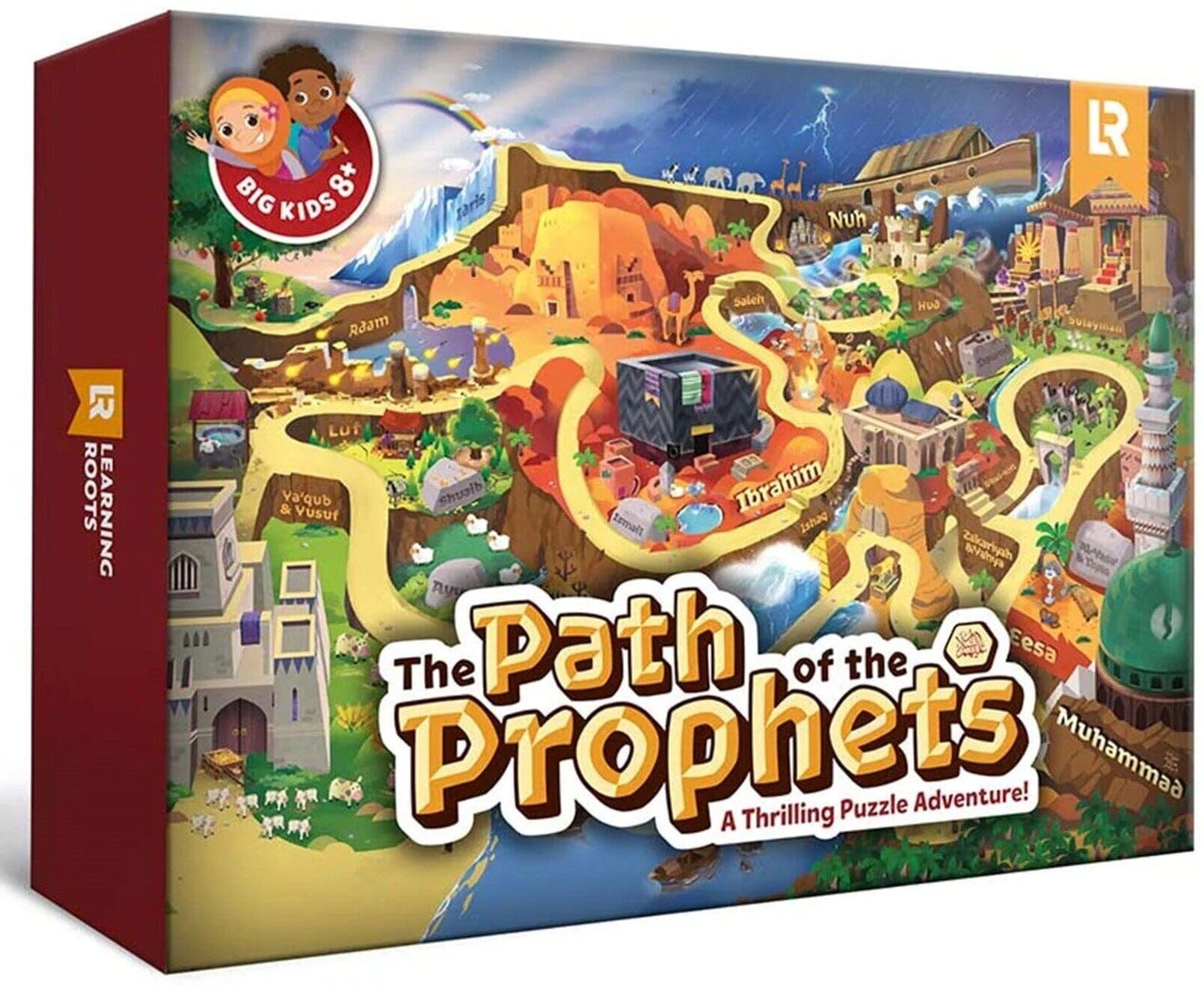
The Path of the Prophets: A Thrilling Puzzle Adventure by Learning Roots Publishing - Ages 8+ Learning RootsThe Path of the Prophets captures the stories of Allah's Messengers and Prophets with stunning visuals laced together in one awe-inspiring map. Discover the highlights from the timeless tales and adventures of the chosen Prophets of Allah. Each Prophet has an image relating to a highlight from their story so your child builds an immediate mental association for better long-term memory. There is a pathway that helps your child learn the order in which the Prophets were sent. It’s an all-in-one story image that sticks in your child’s mind as it is visually engaging which helps them remember the Prophets in a fun way.17,49 £*Shipping: 2,99 £Secure redirect to the provider
-
Nuk Nature Sense Learning Bottle for Babies 150mL Assorted Color 6-18mA skin-care product. This product was developed for a natural transition between breastfeeding and autonomy. The bottle indicated for the moment of autonomy. With an extra soft and wide nozzle that transmits to babies a natural feeling of drinking. An optimised anti-colic valve that allows for suction without pauses - avoids air intake, minimizing colics.11,78 £*Shipping: 5,22 £Secure redirect to the provider
-
What is Kant's theory of epistemology?
Kant's theory of epistemology, as outlined in his Critique of Pure Reason, centers around the idea that our knowledge of the world is shaped by both our sensory experiences and the innate structures of our minds. He argued that our minds actively organize and interpret sensory data through concepts such as space, time, and causality, which are inherent to human cognition. Kant also proposed that there are limits to what we can know about the world, as our understanding is constrained by the nature of our cognitive faculties. Overall, Kant's epistemological theory emphasizes the role of both experience and reason in shaping our knowledge of the world. **
-
What is the epistemology according to Kant?
According to Kant, epistemology is the branch of philosophy that deals with the nature, scope, and limits of human knowledge. Kant believed that knowledge is not solely derived from sensory experience but also involves the mind's innate structures and concepts. He argued that our understanding of the world is shaped by both our sensory experiences and the a priori concepts of space, time, and causality that are inherent in our minds. Kant's epistemology emphasizes the active role of the mind in organizing and interpreting sensory data to construct our understanding of reality. **
-
What are the central problems of epistemology?
The central problems of epistemology revolve around the nature, scope, and limits of knowledge. One key problem is the question of how we can know anything at all, and what the criteria for knowledge are. Another central problem is the issue of skepticism, which challenges the possibility of knowledge by raising doubts about the reliability of our senses and reasoning. Additionally, epistemology grapples with the problem of the sources of knowledge, such as whether knowledge comes from experience, reason, or some other source. Overall, the central problems of epistemology concern the nature of knowledge, how we acquire it, and how we can be justified in claiming to know something. **
-
What is an example of abstraction in epistemology?
An example of abstraction in epistemology is the concept of "justice." In epistemology, justice is an abstract concept that is not directly observable or measurable. It is a complex idea that is formed through the process of abstracting common characteristics from various specific instances of justice. This abstraction allows us to understand and discuss justice as a general concept, even though it may manifest differently in different contexts. Abstraction in epistemology enables us to form general concepts and principles that help us make sense of the world and our experiences. **
* All prices are inclusive of VAT and, if applicable, plus shipping costs. The offer information is based on the details provided by the respective shop and is updated through automated processes. Real-time updates do not occur, so deviations can occur in individual cases. ** Note: Parts of this content were created by AI.