Buy erlebnispaedagogik.eu ?
We are moving the project
erlebnispaedagogik.eu .
Are you interested in purchasing the domain
erlebnispaedagogik.eu ?
domain@kv-gmbh.de · 0541-91531010
Buy erlebnispaedagogik.eu ?
Is perfectionism a good weakness?
Perfectionism can be seen as a double-edged sword. While it can drive individuals to strive for excellence and high standards, it can also lead to excessive self-criticism, fear of failure, and burnout. It is important to strike a balance and recognize when perfectionism is hindering rather than helping personal growth and well-being. Embracing imperfection and learning from mistakes can lead to greater resilience and overall satisfaction in life. **
What can perfectionism lead to?
Perfectionism can lead to increased stress, anxiety, and burnout as individuals set unrealistic standards for themselves. It can also result in procrastination and avoidance of tasks due to fear of failure or not meeting expectations. Additionally, perfectionism can strain relationships as individuals may have high expectations of others as well. **


Similar search terms for Perfectionism
Top-Angebote
Products related to Perfectionism:
-
Uplift Picks Kids Steering Wheel Toy Racing Simulation Adventure Learning Game Kids Steering Wheel Toy Racing Simulation Adventure Learning GameLet little drivers take the wheel with this exciting kids steering wheel toy designed for immersive pretend play. This engaging racing simulation toy for children brings lights, sounds, and interactive challenges together for a realistic driving...210,00 $*Shipping: 0,00 $Secure redirect to the provider
-
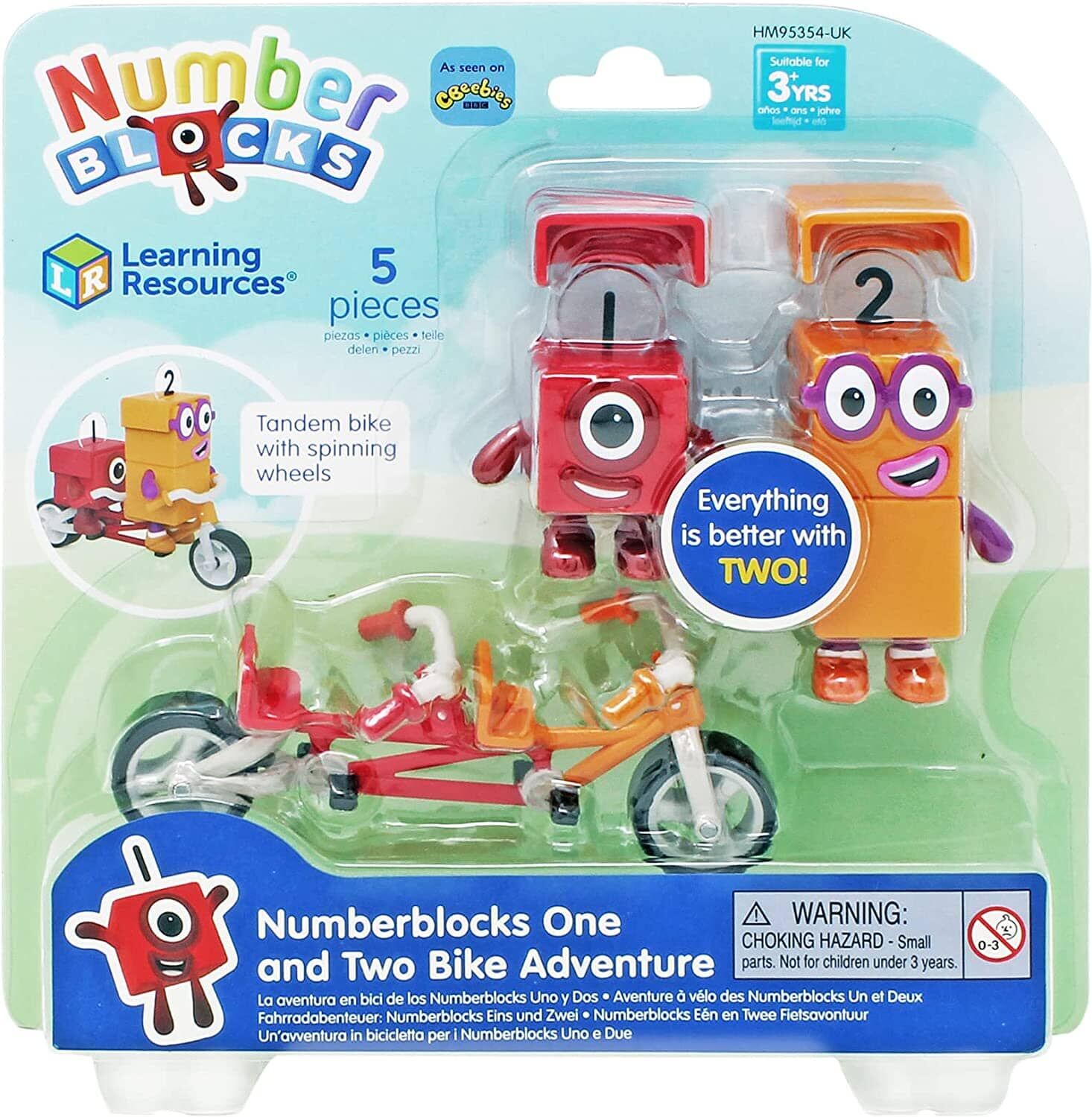
Learning Resources Numberblocks One and Two Bike Adventure for Ages 3+ - Bike Adventure SetJoin Numberblocks One and Two on a bike adventure! Inspired by the TV series, this set features moving arms and numbered helmets. Perfect for imaginative play and developing fine motor skills. Suitable for ages 3 and up.8,49 £*Shipping: 3,95 £Secure redirect to the provider
-
Numberblocks One and Two Bike Adventure by Learning Resources - Ages 3 years+ - Educational Toy Learning ResourcesNUMBERBLOCKS AS SEEN ON TV: The world of Numberblocks comes to life as children create their own Numberblocks adventures at home with Numberblocks One and Two collectible figures, based on the award-winning TV series. INCLUDES TANDEM BIKE & ACCESSORIES: One and Two have their own helmets which they wear as they ride together on their tandem bike on play-filled adventures in Numberland - because everything is better with two! POSABLE ARMS: Move their arms and play or stand them up on display – these fun friends are ready for imaginary play adventures in Numberland. MORE TO EXPLORE: There are even more official Numberblocks collectible figures from Learning Resources ready for children to create their own adventures in Numberland (sold separately). Collect them all! INCLUDES: Numberblocks One and Two with helmets, and tandem bike with turning wheels. (5 Pieces) One measures 5.5cm H.10,99 £*Shipping: 2,99 £Secure redirect to the provider
-
Learning Resources Stem Explorers Brainometry Game for Kids - Ages 5 and Above - Develops STEM Skills - Imaginative Play, Problem-Solving, TeamworkUnleash your child's creativity and critical thinking skills with the Learning Resources Stem Explorers Brainometry Game. This engaging game invites young minds to tackle exciting challenges while building essential STEM skills in a fun and interactive way. Designed for children aged 5 and above, the game promotes imaginative play, problem-solving skills, and teamwork. Kids will love constructing 3D designs using colorful, interlocking pieces that spark their creativity. Each challenge encourages logical thinking as players figure out how to create their structures. Perfect for group play, the Brainometry game fosters collaboration and communication among friends and family. It's an educational tool that makes learning exciting and entertaining.14,49 £*Shipping: 3,95 £Secure redirect to the provider



-
How can one overcome perfectionism?
One way to overcome perfectionism is to set realistic goals and expectations for yourself. It's important to understand that no one is perfect and it's okay to make mistakes. Practice self-compassion and remind yourself that it's okay to not be perfect. Seeking support from friends, family, or a therapist can also be helpful in overcoming perfectionism. Finally, focusing on the process rather than the outcome can help shift your mindset away from perfectionism. **
-
Is perfectionism positive or negative?
Perfectionism can be both positive and negative. On the positive side, it can drive individuals to strive for excellence, set high standards, and achieve their goals. However, on the negative side, perfectionism can lead to feelings of inadequacy, anxiety, and self-criticism when those high standards are not met. It can also hinder productivity and creativity by causing individuals to get stuck in a cycle of overthinking and fear of failure. Ultimately, finding a balance between striving for excellence and accepting imperfection is key to harnessing the positive aspects of perfectionism while mitigating its negative effects. **
-
From when is perfectionism pathological?
Perfectionism becomes pathological when it starts to significantly interfere with a person's daily functioning and well-being. This can manifest as extreme self-criticism, fear of failure, and an inability to accept mistakes. When perfectionism leads to chronic stress, anxiety, depression, or other mental health issues, it is considered pathological and may require professional intervention. It is important to seek help if perfectionism is causing distress and impacting one's quality of life. **
-
Do Germans tend towards perfectionism?
Yes, Germans are often associated with a tendency towards perfectionism. This can be seen in their attention to detail, precision, and thoroughness in various aspects of their lives, including work, education, and personal endeavors. The German cultural value of "Ordnung" (orderliness) also contributes to this perception of perfectionism. However, it's important to note that not all Germans exhibit perfectionist tendencies, and like any cultural stereotype, it should be approached with nuance and understanding. **


What are tips against perfectionism?
1. Set realistic goals: Instead of aiming for perfection, set achievable and realistic goals for yourself. This will help you avoid the pressure of trying to be perfect all the time. 2. Practice self-compassion: Be kind to yourself and acknowledge that it's okay to make mistakes. Treat yourself with the same kindness and understanding that you would offer to a friend. 3. Focus on progress, not perfection: Instead of fixating on achieving perfection, focus on making progress and improving over time. Celebrate your accomplishments and the steps you've taken towards your goals. 4. Challenge negative thoughts: Perfectionism often stems from negative self-talk and unrealistic expectations. Challenge these thoughts and replace them with more positive and realistic ones. 5. Seek support: Talk to friends, family, or a therapist about your struggles with perfectionism. Getting support and perspective from others can help you overcome perfectionist tendencies. **
How to deal with perfectionism?
Dealing with perfectionism involves recognizing and challenging the unrealistic standards you set for yourself. It's important to practice self-compassion and acknowledge that it's okay to make mistakes. Setting realistic goals and breaking tasks into smaller, manageable steps can help reduce the pressure to be perfect. Seeking support from friends, family, or a therapist can also be beneficial in addressing perfectionism and developing healthier coping strategies. **
Top-Angebote
Products related to Perfectionism:
-
Bear Grylls Adventure Collection 10 Books Set - Blizzard Challenge Desert Challenge Jungle Challen..The Bear Grylls Adventure Collection 10 Books Set Description The Blizzard Challenge Olly isn't enjoying activity camp. Why should he bother building a shelter or foraging for food with his teammates - he'd rather be at home in the warm and dry; where the sofa and the video games are. The Desert Challenge Sophie loves activity camp . . . but is terrified of insects. It's so bad that she won't go into the tent on her own; just in case something flies at her; or she steps on a creepie- crawlie. But when she's given a compass by one of the other boys on the campsite; Sophie is magically transported to the desert on an adventure where they're impossible to avoid! The Jungle Challenge Omar is fiercely competitive and very impatient about anything that holds him back. . . especially other people. Activity camp is brilliant because he's the best at all the challenges; it's just so annoying that not all his teammates are as quick or brave or strong as he is. It would be much easier just to ditch them and go it alone. The Sea Challenge Chloe is enjoying activity camp and all the outdoor fun - what's not to like? But she can't understand why everyone goes on and on about 'leaving things the way you found them'. After all; what's the big deal about a bit of litter in the middle of the woods? The world is big enough for a bit of rubbish not to matter. The River Challenge Anything that means he might have to swim and Jack is the first to duck out of it. But when he falls into a small stream at Camp; he's not just embarrassed - he's been transported to a raging river where dangers lurk around every bend. Luckily; the inspirational adventurer Bear Grylls is there to guide him through the treacherous waters and give him back some of his lost confidence... The Earthquake Challenge Fatima's loving Camp during the daytime; but pitch-black nights in the tent are scary. Then she's given a mysterious compass that transports her to a deserted city; where the aftershocks of a huge earthquake are still being felt and all the lights are out - and the buildings are falling down around her. But soon Fatima meets up with survival expert Bear Grylls; who helps her get safely out of the danger zone. Together they discover that the city's not quite as deserted as it seemed . . . and Fatima learns a few things about staying calm no matter what happens. The Volcano Challenge Charlie loves a challenge - he's addicted to video games and an expert at figuring our how to get to the next level. But sometimes the real world can seem a bit dull. Then he finds himself on the slopes of an active volcano; with red-hot lava heading his way! There's no time to be bored with Bear as his guide out of danger . . . The Safari Challenge Evie likes new experiences - except for being extremely fussy about what she eats. Suddenly she finds herself on a sun-baked safari with Bear Grylls; where food and water are scarce and dangerous wild animals prowl the plains. To survive; Evie must eat...13,48 £*Shipping: 2,99 £Secure redirect to the provider
-
Uplift Picks Kids Steering Wheel Toy Racing Simulation Adventure Learning Game Kids Steering Wheel Toy Racing Simulation Adventure Learning GameLet little drivers take the wheel with this exciting kids steering wheel toy designed for immersive pretend play. This engaging racing simulation toy for children brings lights, sounds, and interactive challenges together for a realistic driving...210,00 $*Shipping: 0,00 $Secure redirect to the provider
-
Learning Resources Numberblocks One and Two Bike Adventure for Ages 3+ - Bike Adventure SetJoin Numberblocks One and Two on a bike adventure! Inspired by the TV series, this set features moving arms and numbered helmets. Perfect for imaginative play and developing fine motor skills. Suitable for ages 3 and up.8,49 £*Shipping: 3,95 £Secure redirect to the provider
-
Is perfectionism a good weakness?
Perfectionism can be seen as a double-edged sword. While it can drive individuals to strive for excellence and high standards, it can also lead to excessive self-criticism, fear of failure, and burnout. It is important to strike a balance and recognize when perfectionism is hindering rather than helping personal growth and well-being. Embracing imperfection and learning from mistakes can lead to greater resilience and overall satisfaction in life. **
-
What can perfectionism lead to?
Perfectionism can lead to increased stress, anxiety, and burnout as individuals set unrealistic standards for themselves. It can also result in procrastination and avoidance of tasks due to fear of failure or not meeting expectations. Additionally, perfectionism can strain relationships as individuals may have high expectations of others as well. **
-
How can one overcome perfectionism?
One way to overcome perfectionism is to set realistic goals and expectations for yourself. It's important to understand that no one is perfect and it's okay to make mistakes. Practice self-compassion and remind yourself that it's okay to not be perfect. Seeking support from friends, family, or a therapist can also be helpful in overcoming perfectionism. Finally, focusing on the process rather than the outcome can help shift your mindset away from perfectionism. **
-
Is perfectionism positive or negative?
Perfectionism can be both positive and negative. On the positive side, it can drive individuals to strive for excellence, set high standards, and achieve their goals. However, on the negative side, perfectionism can lead to feelings of inadequacy, anxiety, and self-criticism when those high standards are not met. It can also hinder productivity and creativity by causing individuals to get stuck in a cycle of overthinking and fear of failure. Ultimately, finding a balance between striving for excellence and accepting imperfection is key to harnessing the positive aspects of perfectionism while mitigating its negative effects. **
Similar search terms for Perfectionism
-
Numberblocks One and Two Bike Adventure by Learning Resources - Ages 3 years+ - Educational Toy Learning ResourcesNUMBERBLOCKS AS SEEN ON TV: The world of Numberblocks comes to life as children create their own Numberblocks adventures at home with Numberblocks One and Two collectible figures, based on the award-winning TV series. INCLUDES TANDEM BIKE & ACCESSORIES: One and Two have their own helmets which they wear as they ride together on their tandem bike on play-filled adventures in Numberland - because everything is better with two! POSABLE ARMS: Move their arms and play or stand them up on display – these fun friends are ready for imaginary play adventures in Numberland. MORE TO EXPLORE: There are even more official Numberblocks collectible figures from Learning Resources ready for children to create their own adventures in Numberland (sold separately). Collect them all! INCLUDES: Numberblocks One and Two with helmets, and tandem bike with turning wheels. (5 Pieces) One measures 5.5cm H.10,99 £*Shipping: 2,99 £Secure redirect to the provider
-
Learning Resources Stem Explorers Brainometry Game for Kids - Ages 5 and Above - Develops STEM Skills - Imaginative Play, Problem-Solving, TeamworkUnleash your child's creativity and critical thinking skills with the Learning Resources Stem Explorers Brainometry Game. This engaging game invites young minds to tackle exciting challenges while building essential STEM skills in a fun and interactive way. Designed for children aged 5 and above, the game promotes imaginative play, problem-solving skills, and teamwork. Kids will love constructing 3D designs using colorful, interlocking pieces that spark their creativity. Each challenge encourages logical thinking as players figure out how to create their structures. Perfect for group play, the Brainometry game fosters collaboration and communication among friends and family. It's an educational tool that makes learning exciting and entertaining.14,49 £*Shipping: 3,95 £Secure redirect to the provider
-
The Path of the Prophets: A Thrilling Puzzle Adventure by Learning Roots Publishing - Ages 8+ Learning RootsThe Path of the Prophets captures the stories of Allah's Messengers and Prophets with stunning visuals laced together in one awe-inspiring map. Discover the highlights from the timeless tales and adventures of the chosen Prophets of Allah. Each Prophet has an image relating to a highlight from their story so your child builds an immediate mental association for better long-term memory. There is a pathway that helps your child learn the order in which the Prophets were sent. It’s an all-in-one story image that sticks in your child’s mind as it is visually engaging which helps them remember the Prophets in a fun way.17,49 £*Shipping: 2,99 £Secure redirect to the provider
-
Nuk Nature Sense Learning Bottle for Babies 150mL Assorted Color 6-18mA skin-care product. This product was developed for a natural transition between breastfeeding and autonomy. The bottle indicated for the moment of autonomy. With an extra soft and wide nozzle that transmits to babies a natural feeling of drinking. An optimised anti-colic valve that allows for suction without pauses - avoids air intake, minimizing colics.11,78 £*Shipping: 5,22 £Secure redirect to the provider
-
From when is perfectionism pathological?
Perfectionism becomes pathological when it starts to significantly interfere with a person's daily functioning and well-being. This can manifest as extreme self-criticism, fear of failure, and an inability to accept mistakes. When perfectionism leads to chronic stress, anxiety, depression, or other mental health issues, it is considered pathological and may require professional intervention. It is important to seek help if perfectionism is causing distress and impacting one's quality of life. **
-
Do Germans tend towards perfectionism?
Yes, Germans are often associated with a tendency towards perfectionism. This can be seen in their attention to detail, precision, and thoroughness in various aspects of their lives, including work, education, and personal endeavors. The German cultural value of "Ordnung" (orderliness) also contributes to this perception of perfectionism. However, it's important to note that not all Germans exhibit perfectionist tendencies, and like any cultural stereotype, it should be approached with nuance and understanding. **
-
What are tips against perfectionism?
1. Set realistic goals: Instead of aiming for perfection, set achievable and realistic goals for yourself. This will help you avoid the pressure of trying to be perfect all the time. 2. Practice self-compassion: Be kind to yourself and acknowledge that it's okay to make mistakes. Treat yourself with the same kindness and understanding that you would offer to a friend. 3. Focus on progress, not perfection: Instead of fixating on achieving perfection, focus on making progress and improving over time. Celebrate your accomplishments and the steps you've taken towards your goals. 4. Challenge negative thoughts: Perfectionism often stems from negative self-talk and unrealistic expectations. Challenge these thoughts and replace them with more positive and realistic ones. 5. Seek support: Talk to friends, family, or a therapist about your struggles with perfectionism. Getting support and perspective from others can help you overcome perfectionist tendencies. **
-
How to deal with perfectionism?
Dealing with perfectionism involves recognizing and challenging the unrealistic standards you set for yourself. It's important to practice self-compassion and acknowledge that it's okay to make mistakes. Setting realistic goals and breaking tasks into smaller, manageable steps can help reduce the pressure to be perfect. Seeking support from friends, family, or a therapist can also be beneficial in addressing perfectionism and developing healthier coping strategies. **
* All prices are inclusive of VAT and, if applicable, plus shipping costs. The offer information is based on the details provided by the respective shop and is updated through automated processes. Real-time updates do not occur, so deviations can occur in individual cases. ** Note: Parts of this content were created by AI.